Date: Thursday, April 9, 2026
Time: 4:00 pm
The Speaker:
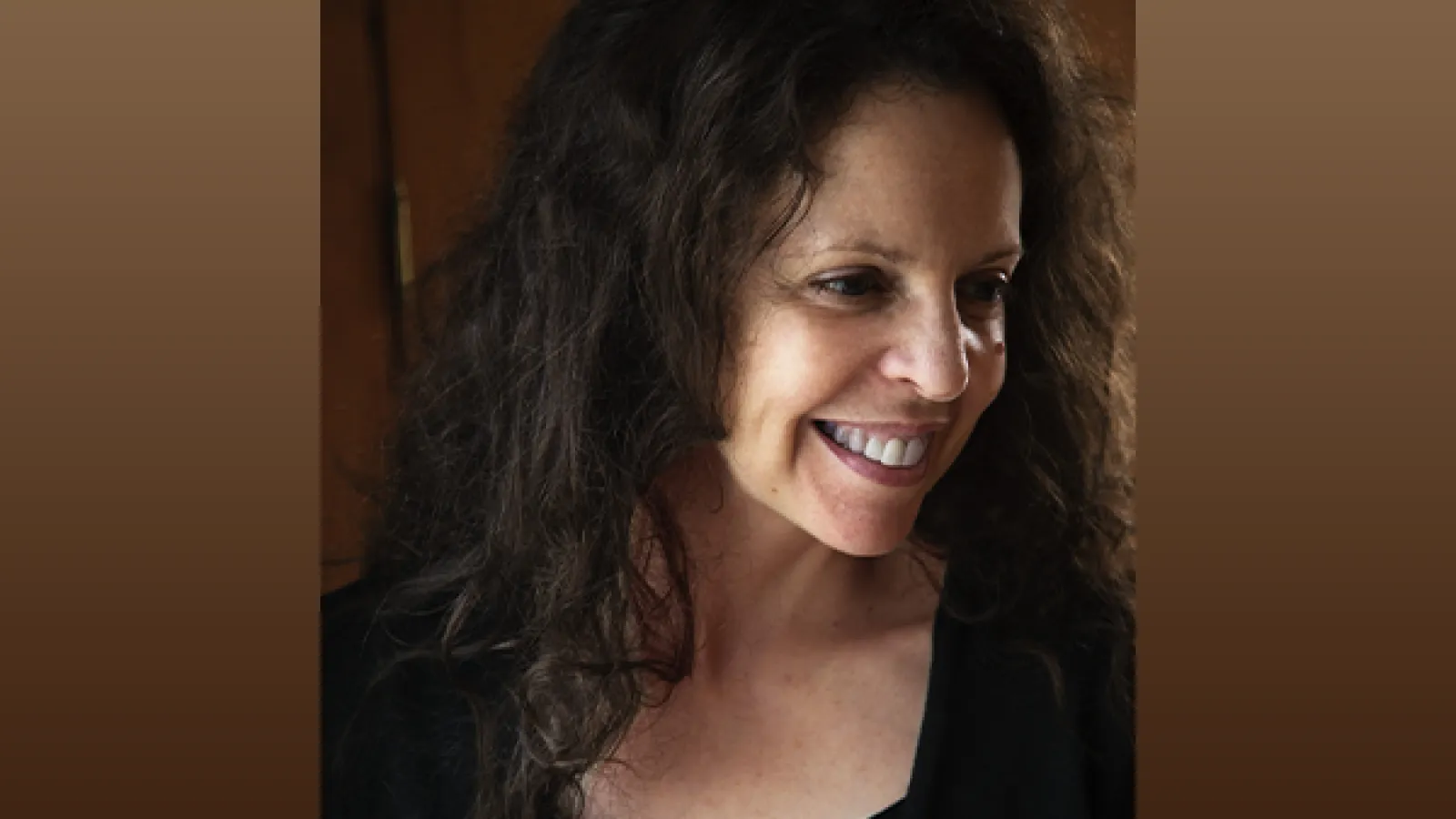
Elizabeth Davis, Professor in Anthropology, Princeton University will be visiting OSU from 4/7/26 to 4/10/26.
The Lecture:
Accident, Misfortune, Tragedy, Crime:
Rethinking the Anthropology of (Mass) Death in Greece
Abstract
Anthropologists have long argued that practices of care for the dead reveal and foster relations of care among the living, and Greece has been a privileged site of key ethnographic studies supporting that argument. In this lecture, I return to the anthropology of death in Greece – largely focused on individuals and families in rural and urban communities – to consider how it may help us contend with mass death. Specifically, I consider how responses to mass death reflect and challenge the national and communal boundaries that organize belonging, exclusion, and division in Greek society today. I examine two events of mass death from a comparative perspective: the train collision in the Tempe Valley in February 2023, and the shipwreck near Pylos in June 2023. Both events provoked public mourning and public protests in Greece and beyond, as well as complex forensic and criminal investigations that are still ongoing. Yet crucial differences are evident in the two cases: in the scale of death, in the identities of the dead, in the discourses on state responsibility mobilized by critics and protestors, and in the disposition of the dead themselves: where and how they were buried, with implications for how and by whom they have been mourned and commemorated. In this lecture, I explore how the dead in Tempe and Pylos might matter – differently – to the living. In bringing these two crises into the same interpretive frame, my aim is threefold: (1) to understand how mass death is metabolized through moral and political-theological concepts of accident, misfortune, tragedy, and crime; (2) to trace the effects of mass death on moral traditions of care for the dead, especially the obligation to provide a proper burial; and (3) to analyze the epistemologies at play in official (state) and alternative accounts in the aftermath of these events: specifically, forensic investigation and conspiracy theory.
Bio
Elizabeth Davis is Professor of Anthropology at Princeton University, where she is affiliated with the Seeger Center for Hellenic Studies. Her research and writing, grounded in the European horizons and Ottoman history of the Greek-speaking world, explore the intersections of psyche, body, history, knowledge, and power. Her first book, Bad Souls: Madness and Responsibility in Modern Greece (2012), is an ethnographic study of responsibility among psychiatric patients and their caregivers in northeastern Greece. She has also written two books based on ethnographic and archival research in Cyprus. Artifactual: Forensic and Documentary Knowing (2023) addresses public secrecy and knowledge projects about the violence of the 1960s-70s that led to the enduring division of Cyprus, including forensic investigations, visual archives, and documentary film. The Time of the Cannibals: On Conspiracy Theory and Context (2025) takes Cyprus as a context for rethinking conspiracy theory and political theology. She has written on economic crisis and suicide in Greece, body doubles and body politics, identity play and as-if belief. She is currently studying changing deathscapes and death practices in and beyond Greece. She is also making a documentary film, Immortal, addressing the public life of sacred bones in Cyprus.
Visit the Leontis Memorial Lecture page for more information about the lecture series.